Buy på.eu ?
We are moving the project
på.eu .
Are you interested in purchasing the domain
på.eu ?
domain@kv-gmbh.de · 0541-91531010
Buy på.eu ?
How do I calculate refraction or the angle of refraction?
To calculate refraction or the angle of refraction, you can use Snell's Law, which relates the angles of incidence and refraction to the refractive indices of the two mediums involved. The formula is n1*sin(theta1) = n2*sin(theta2), where n1 and n2 are the refractive indices of the two mediums, and theta1 and theta2 are the angles of incidence and refraction, respectively. By rearranging this formula, you can solve for the angle of refraction when given the angle of incidence and refractive indices of the mediums. **
How do I calculate the refraction or the angle of refraction?
To calculate the angle of refraction, you can use Snell's Law, which states that the ratio of the sine of the angle of incidence to the sine of the angle of refraction is equal to the ratio of the velocities of light in the two different mediums. Mathematically, this can be expressed as n1*sin(theta1) = n2*sin(theta2), where n1 and n2 are the refractive indices of the two mediums, and theta1 and theta2 are the angles of incidence and refraction, respectively. By rearranging this equation, you can solve for the angle of refraction. **

Similar search terms for Refraction
Top-Angebote
Products related to Refraction:
-
SAFAVIEH Watkins 47.2-Inch Wood Minimalist Desk, White, Scandinavian"Watkins Minimalist Desk: suspended storage unit, smooth MDF surface and x-frame trestle base The Watkins Minimalist Desk is a Scandinavian minimalist desk in white. This wood minimalist desk measures 47.2"" W x 21.6"" D x 29.5"" H."152,98 $*Shipping: 0,00 $Secure redirect to the provider
-
Uplift Essentials Nordic Minimalist Double Layer Desktop Mini Trash Can blackKeep your personal workspaces tidy and maintain a flawless aesthetic with highend Scandinavian design. Our premium Nordic desktop doublelayer mini trash can offers a sophisticated, ultracompact disposal solution engineered to blend seamlessly into...34,97 $*Shipping: 0,00 $Secure redirect to the provider
-
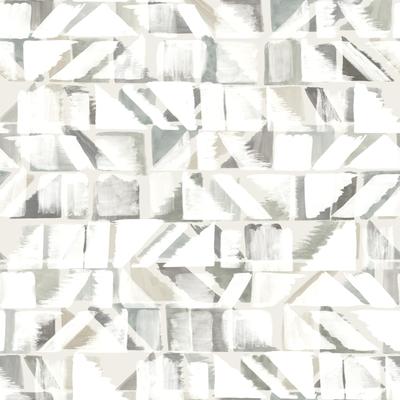
York Wallcoverings Neutral Refraction Peel and Stick WallpaperPattern Refraction is a fractured geometric with the effect of a broken prism of reflected light. This Refraction Peel & Stick Wallpaper measures approximately 20.5 inches wide by 20 feet long, covering About 34.2 square feet per roll.55,25 $*Shipping: 0,00 $Secure redirect to the provider
-
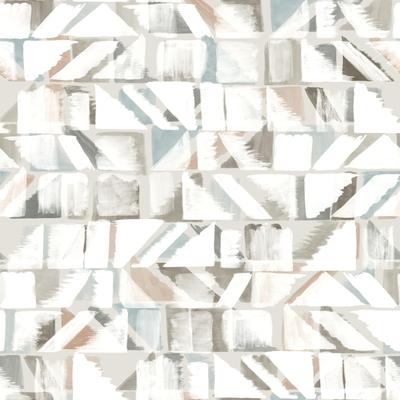
York Wallcoverings Brown and Beige Refraction Peel and Stick WallpaperPattern Refraction is a fractured geometric with the effect of a broken prism of reflected light. This Refraction Peel & Stick Wallpaper measures approximately 20.5 inches wide by 20 feet long, covering About 34.2 square feet per roll.55,25 $*Shipping: 0,00 $Secure redirect to the provider


-
What is the angle of refraction in the refraction of light?
The angle of refraction in the refraction of light is the angle between the refracted ray and the normal to the surface at the point of incidence. It is determined by Snell's Law, which states that the ratio of the sine of the angle of incidence to the sine of the angle of refraction is equal to the ratio of the velocities of light in the two media. The angle of refraction can be calculated using the formula: n1*sin(θ1) = n2*sin(θ2), where n1 and n2 are the refractive indices of the two media, and θ1 and θ2 are the angles of incidence and refraction, respectively. **
-
What is refraction in a prism?
Refraction in a prism is the bending of light as it passes through the prism due to the change in speed of light in different mediums. When light enters a prism, it slows down and bends towards the normal line, then as it exits the prism, it speeds up and bends away from the normal line. This bending of light causes the different colors of the spectrum to separate and create a rainbow effect. **
-
What is the law of refraction?
The law of refraction, also known as Snell's law, describes the relationship between the angles of incidence and refraction when a wave, such as light or sound, passes from one medium to another. It states that the ratio of the sine of the angle of incidence to the sine of the angle of refraction is equal to the ratio of the velocities of the wave in the two media. In other words, the law of refraction quantifies how much a wave bends as it passes from one medium to another, such as from air to water or from air to glass. **
-
How does the refraction of light occur?
Refraction of light occurs when light travels from one medium to another with a different optical density, causing the light rays to change direction. This change in direction is due to the difference in speed of light in the two mediums. As light enters a medium with a different optical density, it can either speed up or slow down, causing the light rays to bend. This bending of light is what we observe as refraction. **


How can one construct refraction of light?
One can construct refraction of light by passing light through a medium with a different optical density, such as air to water or glass. The change in optical density causes the light to change speed and bend as it enters the new medium, resulting in refraction. The angle of refraction can be calculated using Snell's Law, which relates the angles of incidence and refraction to the refractive indices of the two mediums. By understanding and manipulating these principles, one can effectively construct and demonstrate refraction of light. **
How is the refraction of light calculated?
The refraction of light is calculated using Snell's Law, which states that the ratio of the sine of the angle of incidence to the sine of the angle of refraction is equal to the ratio of the velocities of light in the two different mediums. This can be expressed as n1*sin(theta1) = n2*sin(theta2), where n1 and n2 are the refractive indices of the two mediums, and theta1 and theta2 are the angles of incidence and refraction, respectively. By knowing the refractive indices of the two mediums and the angle of incidence, one can calculate the angle of refraction using Snell's Law. **
Top-Angebote
Products related to Refraction:
-
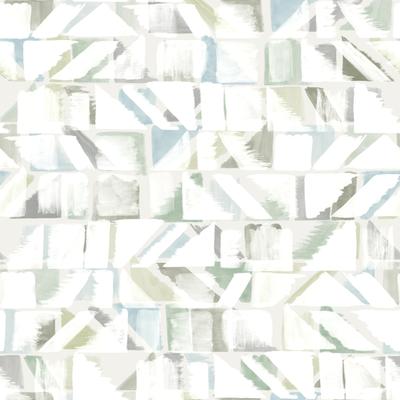
York Wallcoverings Blue Refraction Peel and Stick WallpaperPattern Refraction is a fractured geometric with the effect of a broken prism of reflected light. This Refraction Peel & Stick Wallpaper measures approximately 20.5 inches wide by 20 feet long, covering About 34.2 square feet per roll.55,25 $*Shipping: 0,00 $Secure redirect to the provider
-
Scandinavian Comfort Food: Embracing the Art of Hygge by Trine Hahnemann - Non Fiction - HardbackTitle:. Scandinavian Comfort Food: Embracing the Art of Hygge Condition: BRAND NEW. Format: Hardback Overview:. Step into a kitchen where warmth sits at the heart of every dish. Scandinavian Comfort Food: Embracing the Art of Hygge by Trine Hahnemann is a celebrate-everyday cookbook that invites you to slow down, gather loved ones, and savor comforting meals built on simple, seasonal ingredients. This hardcover collection channels the Danish concept of hygge—cozy togetherness, intuitively prepared food, and meals that feel both restorative and celebratory. You’ll find winter porridges to start the day with a nourishing glow, hearty soups and stews that thicken the bonds around your table, and wholesome breads, roasts, and desserts that turn ordinary evenings into memorable occasions. Hahnemann writes with warmth and clarity, guiding home cooks through timeless Nordic flavours while offering practical adaptations for modern kitchens, no matter where you live. Whether you’re cooking for family, hosting friends, or indulging in a quiet, self-care feast, this book hands you a reliable roadmap to hygge through food. It’s not just a cookbook—it’s a lifestyle invitation, delivered with the authority of a renowned Scandinavian cooking expert. What Makes This Book Stand Out:. This is more than a collection of recipes; it’s a philosophy of cooking that foregrounds comfort, connection, and unhurried rhythms. Trine Hahnemann, widely regarded as the doyenne of Scandinavian cooking, blends heritage with accessibility, turning traditional dishes into everyday triumphs. The book emphasises seasonal ingredients and pantry-friendly techniques, ensuring you can recreate authentic Nordic flavours without specialized equipment. Each recipe speaks in a friendly voice, pairing practical steps with storytelling that elicits the hyggelig mood—moments of warmth and gratitude around the table. The result is a cookbook that supports both confident weeknight meals and generous weekend gatherings, encouraging readers to slow down, breathe, and enjoy the process as much as the result. If you’ve ever wanted a reliable, stylish gateway into Nordic comfort cooking, this is it—beautifully designed, thoughtfully organized, and deeply comforting. Who This Book Is Perfect For:. Ideal for home cooks who crave comforting, crowd-pleasing dishes with a Nordic soul. It suits beginners who appreciate clear guidance, as well as seasoned cooks seeking dependable, flavour-packed staples for winter menus. Gift buyers will love its hardcover presence and timeless appeal for weddings, new homes, or hygge-inspired entertaining. It’s also a superb pick for families aiming to create cozy weeknight meals that feel special, BookTok enthusiasts exploring hygge-inspired cooking, and anyone drawn to recipes that celebrate togetherness, seasonal ingredients, and warm, nourishing flavours. Key Highlights:. Warm, holiday-ready comfort food rooted in Scandinavian traditions. Accessible recipes built on...99,99 £*Shipping: 0,00 £Secure redirect to the provider
-
SAFAVIEH Watkins 47.2-Inch Wood Minimalist Desk, White, Scandinavian"Watkins Minimalist Desk: suspended storage unit, smooth MDF surface and x-frame trestle base The Watkins Minimalist Desk is a Scandinavian minimalist desk in white. This wood minimalist desk measures 47.2"" W x 21.6"" D x 29.5"" H."152,98 $*Shipping: 0,00 $Secure redirect to the provider
-
Uplift Essentials Nordic Minimalist Double Layer Desktop Mini Trash Can blackKeep your personal workspaces tidy and maintain a flawless aesthetic with highend Scandinavian design. Our premium Nordic desktop doublelayer mini trash can offers a sophisticated, ultracompact disposal solution engineered to blend seamlessly into...34,97 $*Shipping: 0,00 $Secure redirect to the provider
-
How do I calculate refraction or the angle of refraction?
To calculate refraction or the angle of refraction, you can use Snell's Law, which relates the angles of incidence and refraction to the refractive indices of the two mediums involved. The formula is n1*sin(theta1) = n2*sin(theta2), where n1 and n2 are the refractive indices of the two mediums, and theta1 and theta2 are the angles of incidence and refraction, respectively. By rearranging this formula, you can solve for the angle of refraction when given the angle of incidence and refractive indices of the mediums. **
-
How do I calculate the refraction or the angle of refraction?
To calculate the angle of refraction, you can use Snell's Law, which states that the ratio of the sine of the angle of incidence to the sine of the angle of refraction is equal to the ratio of the velocities of light in the two different mediums. Mathematically, this can be expressed as n1*sin(theta1) = n2*sin(theta2), where n1 and n2 are the refractive indices of the two mediums, and theta1 and theta2 are the angles of incidence and refraction, respectively. By rearranging this equation, you can solve for the angle of refraction. **
-
What is the angle of refraction in the refraction of light?
The angle of refraction in the refraction of light is the angle between the refracted ray and the normal to the surface at the point of incidence. It is determined by Snell's Law, which states that the ratio of the sine of the angle of incidence to the sine of the angle of refraction is equal to the ratio of the velocities of light in the two media. The angle of refraction can be calculated using the formula: n1*sin(θ1) = n2*sin(θ2), where n1 and n2 are the refractive indices of the two media, and θ1 and θ2 are the angles of incidence and refraction, respectively. **
-
What is refraction in a prism?
Refraction in a prism is the bending of light as it passes through the prism due to the change in speed of light in different mediums. When light enters a prism, it slows down and bends towards the normal line, then as it exits the prism, it speeds up and bends away from the normal line. This bending of light causes the different colors of the spectrum to separate and create a rainbow effect. **
Similar search terms for Refraction
-
York Wallcoverings Neutral Refraction Peel and Stick WallpaperPattern Refraction is a fractured geometric with the effect of a broken prism of reflected light. This Refraction Peel & Stick Wallpaper measures approximately 20.5 inches wide by 20 feet long, covering About 34.2 square feet per roll.55,25 $*Shipping: 0,00 $Secure redirect to the provider
-
York Wallcoverings Brown and Beige Refraction Peel and Stick WallpaperPattern Refraction is a fractured geometric with the effect of a broken prism of reflected light. This Refraction Peel & Stick Wallpaper measures approximately 20.5 inches wide by 20 feet long, covering About 34.2 square feet per roll.55,25 $*Shipping: 0,00 $Secure redirect to the provider
-
Uplift Essentials Nordic Minimalist Double Layer Desktop Mini Trash Can whiteKeep your personal workspaces tidy and maintain a flawless aesthetic with highend Scandinavian design. Our premium Nordic desktop doublelayer mini trash can offers a sophisticated, ultracompact disposal solution engineered to blend seamlessly into...34,97 $*Shipping: 0,00 $Secure redirect to the provider
-
Uplift Essentials Nordic Minimalist Double Layer Desktop Mini Trash Can pinkKeep your personal workspaces tidy and maintain a flawless aesthetic with highend Scandinavian design. Our premium Nordic desktop doublelayer mini trash can offers a sophisticated, ultracompact disposal solution engineered to blend seamlessly into...34,97 $*Shipping: 0,00 $Secure redirect to the provider
-
What is the law of refraction?
The law of refraction, also known as Snell's law, describes the relationship between the angles of incidence and refraction when a wave, such as light or sound, passes from one medium to another. It states that the ratio of the sine of the angle of incidence to the sine of the angle of refraction is equal to the ratio of the velocities of the wave in the two media. In other words, the law of refraction quantifies how much a wave bends as it passes from one medium to another, such as from air to water or from air to glass. **
-
How does the refraction of light occur?
Refraction of light occurs when light travels from one medium to another with a different optical density, causing the light rays to change direction. This change in direction is due to the difference in speed of light in the two mediums. As light enters a medium with a different optical density, it can either speed up or slow down, causing the light rays to bend. This bending of light is what we observe as refraction. **
-
How can one construct refraction of light?
One can construct refraction of light by passing light through a medium with a different optical density, such as air to water or glass. The change in optical density causes the light to change speed and bend as it enters the new medium, resulting in refraction. The angle of refraction can be calculated using Snell's Law, which relates the angles of incidence and refraction to the refractive indices of the two mediums. By understanding and manipulating these principles, one can effectively construct and demonstrate refraction of light. **
-
How is the refraction of light calculated?
The refraction of light is calculated using Snell's Law, which states that the ratio of the sine of the angle of incidence to the sine of the angle of refraction is equal to the ratio of the velocities of light in the two different mediums. This can be expressed as n1*sin(theta1) = n2*sin(theta2), where n1 and n2 are the refractive indices of the two mediums, and theta1 and theta2 are the angles of incidence and refraction, respectively. By knowing the refractive indices of the two mediums and the angle of incidence, one can calculate the angle of refraction using Snell's Law. **
* All prices are inclusive of VAT and, if applicable, plus shipping costs. The offer information is based on the details provided by the respective shop and is updated through automated processes. Real-time updates do not occur, so deviations can occur in individual cases. ** Note: Parts of this content were created by AI.